
Traveling to China: What Foreign Couples Should Expect (Internet, Payments & Restrictions Explained)

Planning a trip to China can feel daunting for travellers from the US, UK and Europe — especially anyone who remembers blocked apps and cash-only counters from years ago. The good news: travel in China has improved a great deal, and with a little preparation your trip can be smooth. Whether you're the couple getting married or a guest who just received a save-the-date for a wedding in Lijiang, here are the practical things to know before you fly — internet, payments, visas, apps, transport and etiquette — and exactly how to handle each one.
🌐 Internet: The Great Firewall
China blocks many Western services — Google and Gmail, Instagram, Facebook, WhatsApp and YouTube among them. Google Maps, Google Search, X (Twitter) and most Western news sites are also unreachable on a normal Chinese connection. What still works without any workaround: iMessage and FaceTime, Apple Maps, Bing, Microsoft Outlook, and of course WeChat — which is how almost everyone in China messages, so it's worth installing anyway to coordinate with your wedding planner and fellow guests.
The fix for everything else is simple but must be done in advance: install and test a reputable VPN before you arrive, since VPN websites are themselves hard to reach inside the country. Download offline maps of Lijiang and save your bookings offline too — screenshots of hotel confirmations, flight details and your venue address in Chinese characters will save you more than once.
Roaming eSIMs vs VPNs vs Hotel Wi-Fi
There are actually three ways to stay connected, and most wedding guests are happiest combining two of them:
| Option | How it works | Best for |
|---|---|---|
| Travel eSIM | Data routes through an overseas carrier, so blocked apps often work without any VPN at all. Buy and activate before departure. | The easiest all-round option for a one- to two-week wedding trip. |
| VPN app | Encrypts your traffic on any connection, including hotel Wi-Fi. Must be installed and tested before you enter China. | Backup for hotel Wi-Fi, laptops, and anyone using a local SIM. |
| Hotel Wi-Fi alone | Fast and free at the resorts couples typically book, but subject to the firewall — no Gmail or Instagram without a VPN. | Fine for WeChat, Apple services and streaming Chinese platforms; not enough on its own. |
Our honest recommendation for wedding guests: a travel eSIM as your main connection, plus one reputable VPN installed as insurance. Between the two, you'll post your ceremony photos to Instagram from the meadow without thinking about any of this.
💳 Payments: A Cashless Country

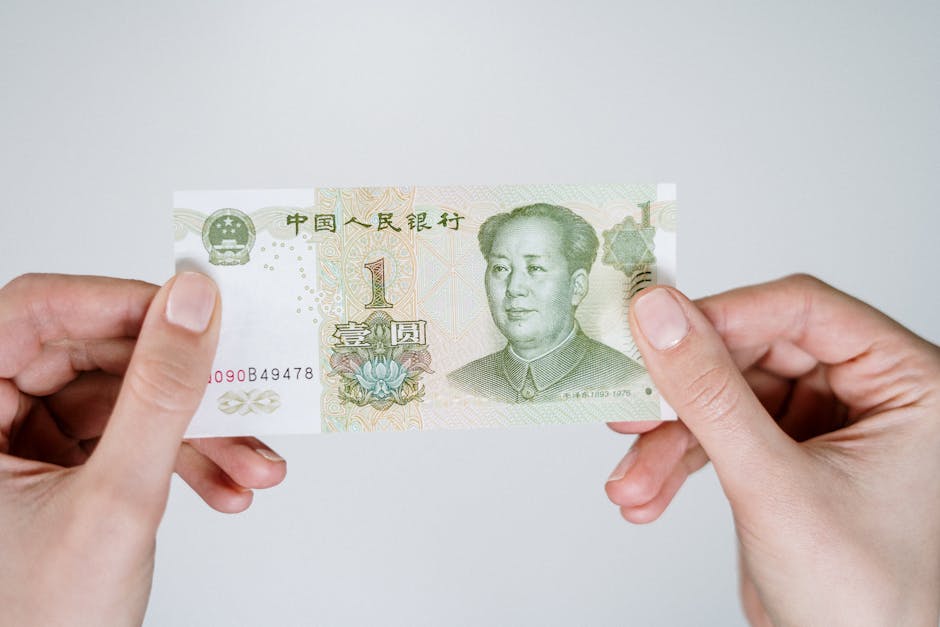
China is effectively cashless, and physical foreign cards are accepted in few places, particularly in a smaller city like Lijiang. The system runs on WeChat Pay and Alipay — and the good news is that visitors can now link international Visa, Mastercard, JCB and Amex to both. Set this up on arrival, keep a small amount of RMB as backup, and you'll pay for everything from taxis to street food with your phone.
Setting up takes about ten minutes per app:
- Download Alipay and/or WeChat before you fly — both have full English interfaces for international users.
- Verify with your passport in the app (a photo of the ID page and a quick face scan).
- Add your international card under the wallet/bank-card section. Alipay's international programme supports Visa, Mastercard, JCB, Amex and more, and small everyday transactions typically process without extra fees.
- Test it with a small purchase — a coffee or a bottle of water — on your first day, while you still have a helpful hotel concierge nearby.
Cash and ATMs
You genuinely won't need much cash, but a small reserve of RMB is smart for the rare market stall or temple donation box. Major-bank ATMs in China (Bank of China branches are the most reliable bet) accept foreign Visa and Mastercard debit cards and have English menus; airports also have currency exchange counters. A few hundred RMB per person covers a whole wedding week of edge cases.
🛂 Visas and Entry
Most Western travellers still need a visa, though China has widened visa-free transit and short-stay entry for a number of countries — worth checking for your nationality, as the rules are changing quickly. As of 2026, the picture for typical EverVows guests looks like this:
- Many European passports enter visa-free. China has rolled out short-stay visa-free entry (currently up to 30 days) for citizens of a long list of European countries — including France, Germany, Italy, Spain, the Netherlands, Switzerland and others — plus Australia and New Zealand. If your passport qualifies, you simply book flights and go.
- Visa-free transit covers many more. Travellers from dozens of eligible countries, including the UK, US and Canada, can use China's 240-hour (10-day) visa-free transit policy when arriving at a qualifying port and departing to a third country or region — enough for a full wedding week.
- Otherwise, the tourist (L) visa is routine. Processing has become faster and cheaper than it was pre-2020, and appointment requirements have been relaxed at many consulates.
Typical requirements are a passport valid for six months, a return flight and accommodation details. Rules do change, so check an official source such as the UK government's China travel advice — or your own country's equivalent — close to departure. A planner can help assemble your documentation; it's one of the first things we do when we take over the logistics of a Lijiang wedding.
📱 The Apps to Download Before You Fly
Five apps solve ninety-five percent of a China trip. Install them all at home, while the app stores are still easy to reach:
- WeChat — messaging, payments, and how your coordinator will reach you on the ground.
- Alipay — payments, plus built-in mini-apps for taxis, trains and translation.
- A translation app with offline Chinese — download the offline language pack; camera translation of menus is the feature you'll use most.
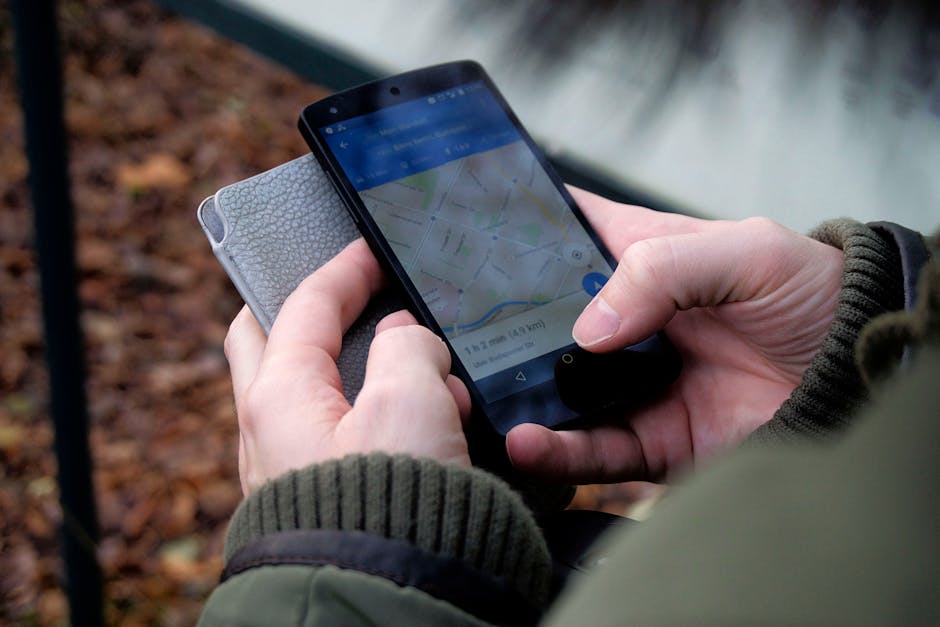
- Apple Maps or Amap (高德地图) — Google Maps doesn't work in China. Apple Maps works out of the box for iPhone users; Amap is the local standard and impressively accurate in Lijiang, though its interface is mostly Chinese.
- Trip.com — the easiest way for foreigners to book China's high-speed trains and domestic flights in English, with your passport as ID.
🚄 Getting Around: Trains, Didi and Day Trips

China's high-speed rail network is a genuine pleasure — clean, punctual and fast. Lijiang is connected by bullet train to Kunming (about three hours), which links to the national network, and most international guests fly in via Kunming, Chengdu or Shanghai; the full routing options are covered in our guide to how to travel to Lijiang from Europe and the US. Board with your passport — it is your ticket.
Within Lijiang, Didi (China's ride-hailing app, with an English mode and accessible through Alipay's mini-program) makes taxis effortless: type your destination in English, pay through your linked card, no language needed. For excursions to Yulong Snow Mountain or Blue Moon Valley, your venue or planner will typically arrange drivers — the standard approach for wedding groups, and one less thing for guests to navigate.
🗣️ Language
English is limited in Lijiang and most second-tier cities. Download an offline translation app, keep your hotel address saved in Chinese, and — for a wedding — lean on a bilingual coordinator and an English-speaking celebrant so the language gap never touches your day. Guests consistently report the same thing afterwards: locals are patient and genuinely pleased to help, and a phone screen with translated text bridges almost every gap.
🛡️ Safety
China is one of the safest countries in the world for foreign tourists: low crime, friendly locals, clean cities and reliable transport. Lijiang in particular is welcoming and well set up for visitors — it's one of China's most-visited domestic destinations, so tourism infrastructure is mature. Solo guests, older relatives and families with children all travel here comfortably. The main practical cautions are the same as anywhere: use official taxis or Didi, and take altitude gently on mountain excursions (Lijiang Old Town sits at about 2,400 m).
🎎 Etiquette Basics for Wedding Guests
Nobody expects foreign guests to know Chinese customs, but a few gestures go a long way:
- Red is lucky — red envelopes (hongbao) are the traditional wedding gift in China, though for a destination wedding the couple will usually tell you their preference. Avoid wearing white or black head-to-toe if the celebration includes Chinese family traditions; a touch of colour is always safe.
- Toasts matter. If a toast is offered to you, standing and returning it — even with tea or juice — is warmly received.
- Receive things with two hands — gifts, business cards, a cup of tea. It reads as respect everywhere in China.
- Tipping is not expected in restaurants or taxis; exceptional wedding vendors are thanked through the couple or planner instead.
Between the ceremony and the farewell dinner, guests usually have a free day or two — our complete guide to guest activities in Lijiang maps out what to do with them, season by season.
.jpeg)
✅ Pre-Departure Checklist for Wedding Guests
- 8+ weeks out: check whether your passport qualifies for visa-free entry or transit; apply for a visa if not. Confirm your passport has six months' validity.
- 4 weeks out: book flights and any trains (Trip.com), and confirm accommodation with the couple or planner — many venues, like those in our top five Lijiang venues guide, hold room blocks for wedding groups.
- 2 weeks out: order a travel eSIM; install WeChat, Alipay, a VPN, a translation app with offline Chinese, and Trip.com; verify your passport in Alipay/WeChat and link a card.
- 1 week out: download offline maps of Lijiang; screenshot all bookings; save the venue and hotel addresses in Chinese characters; pack layers — mountain weather shifts fast, as our seasonal guide to Lijiang explains.
- On arrival: test a small phone payment, message the coordinator on WeChat, and drink extra water for the first day at altitude.
❓ Frequently Asked Questions
Do I need a VPN in China?
Yes, if you want to use Google, Gmail, WhatsApp, Instagram or Facebook, which are blocked by the national firewall. Install and test a reputable VPN before you fly — VPN provider sites are hard to reach once you are inside China. A travel eSIM with international routing achieves the same result for most apps without a VPN.
Can I use my foreign credit card in China?
Physical foreign cards are accepted in few places. China runs on WeChat Pay and Alipay, which now let visitors link international Visa and Mastercard (plus JCB and Amex). Set this up on arrival and carry a little cash as backup.
Do US, UK or EU travellers need a visa for China?
Most Western travellers still need a visa, though China has expanded visa-free transit and short-stay entry for many nationalities — much of Europe currently enters visa-free for up to 30 days, and the 240-hour transit policy covers UK and US passport holders on qualifying itineraries. Check the current rules for your passport before booking, as they change.
Is China safe for foreign tourists?
Yes. China has very low rates of violent crime, reliable transport and well-maintained cities, and is considered one of the safest destinations for foreign visitors.
Does Google Maps work in China?
No. Use Apple Maps (works out of the box on iPhone) or Amap, the highly accurate local standard, and download offline maps of Lijiang before you arrive.
📚 Where to Read Next
- How to Travel to Lijiang — the best flight routes from Europe and the US.
- How EverVows Makes It Stress-Free — who handles the logistics on the ground.
- Best Time of Year to Get Married in Lijiang — a seasonal breakdown.
- What a Lijiang Wedding Costs — sourced 2026 pricing.
The bottom line for nervous guests: every hurdle on this list is solved with an app installed at home and ten minutes of setup on arrival. Thousands of European and American travellers now do it every month — and the reward on the other side is a wedding beneath a 5,596-metre snow peak. If you'd like a hand with any of it, talk to our team about your Lijiang wedding — we walk every couple and their guests through this checklist personally.
Planning a wedding abroad?
Tell us who is coming, roughly when, and what the day should feel like. We'll come back with what fits your guest list — and, just as clearly, what doesn't.
Related Articles
Beyond Pastel de Nata: 10 Must-Try Traditional Portuguese Foods
Beyond the Pastel de Nata — 10 essential Portuguese dishes, where to find them in Lisbon and Porto, and how to build them into your 2026 destination wedding menu.
The Ultimate 2026 Guide: When is the Best Time to Visit Portugal?
Whether you are scouting for a dream wedding location or planning a romantic getaway, discover exactly what to expect throughout 2026 in Portugal.