
Legal vs. Symbolic: Navigating Bali Wedding Laws in 2026
One of the most common questions we receive is: "Can we actually get legally married in Bali?" The answer is yes — but the process is vastly different from a courthouse wedding in the West. In Indonesia, there is no such thing as a "civil-only" marriage. Every legal union must be religious first, then registered with the state.
As of 2026, the large majority of international couples opt for the symbolic route to avoid the administrative hurdles, but for some, the legal "stamp" in Bali is non-negotiable — a single anniversary, one certificate, one story. This guide walks through both paths in detail so you can choose the one that fits your timeline, your paperwork tolerance, and your vision of the day itself.
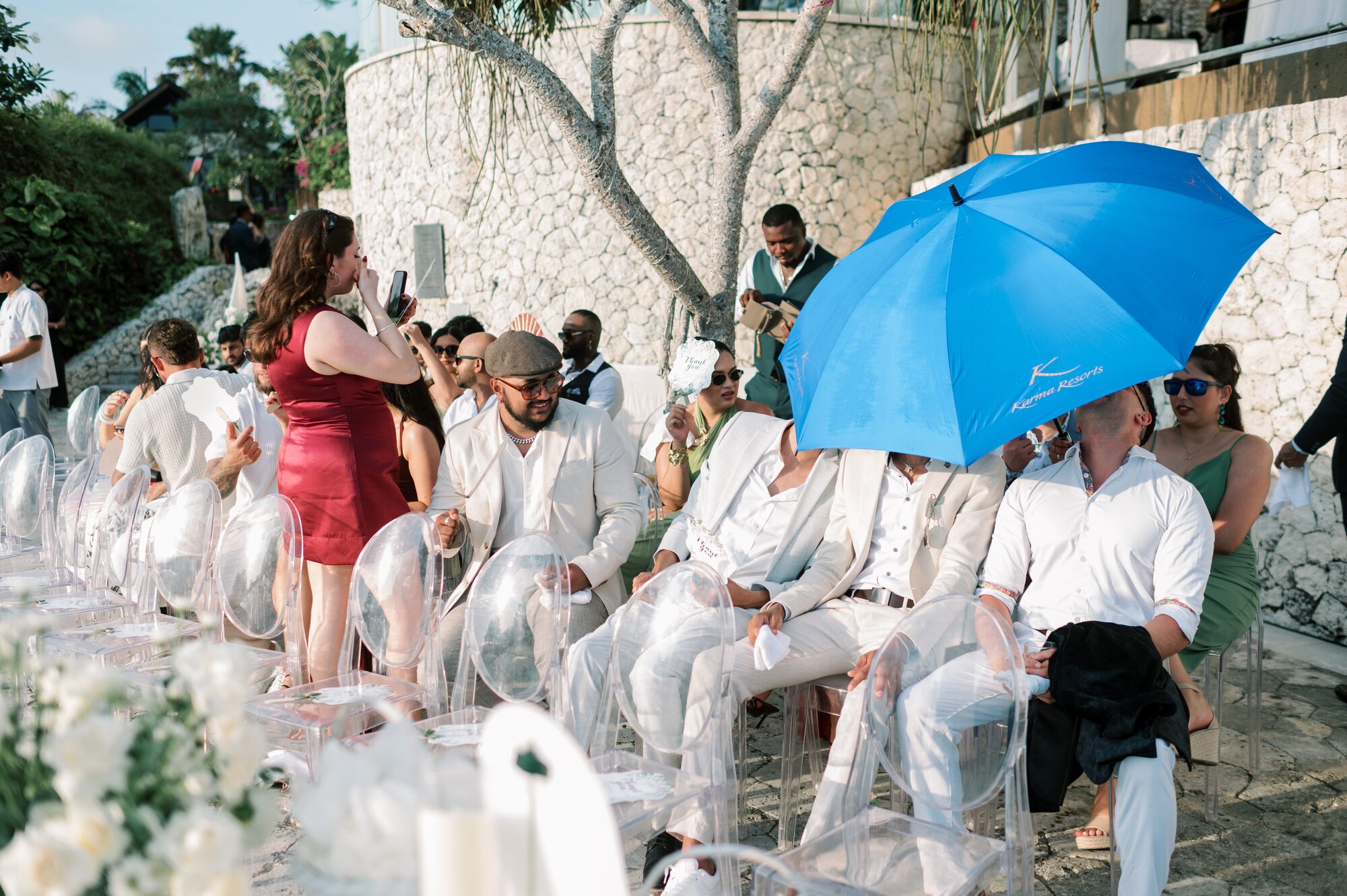
⚖️ The Legal Wedding: A Two-Fold Process
Indonesian marriage law (Law No. 1 of 1974, as amended by Law No. 16 of 2019) dictates that a marriage is only valid if performed according to a recognized religion, and then recorded by the state. In practice this means two officials are involved in your wedding:
- A Religious Minister — a priest, pedanda, monk, or imam who performs the ceremony according to one of Indonesia's recognized faiths; and
- A Civil Registrar — an official from the Civil Registry Office (Kantor Catatan Sipil) who records the marriage and issues the certificate. For Muslim couples, the Office of Religious Affairs (KUA) handles both roles.
Both partners must declare themselves as the same religion. Indonesia officially recognizes six: Islam, Protestantism, Catholicism, Hinduism, Buddhism, and Confucianism. If you are an interfaith couple, one partner typically signs a Letter of Declaration to align with the other for the purposes of the ceremony. Couples unwilling to do this should choose the symbolic route.
The Paperwork "Must-Haves"
- CNI (Certificate of No Impediment): This is the big one. Issued by your home country's embassy or consulate (in Bali or Jakarta), it certifies you are legally free to marry. Some nationalities can only obtain it in Jakarta, and some consulates require an appointment booked weeks ahead — check your country's requirements first. Many countries publish their process online; see, for example, the UK government's marriage-abroad guidance or the US Embassy in Jakarta's marriage page.
- Valid passports for both partners, plus copies, and your Indonesian visa or entry stamp.
- Birth certificates, and where applicable, divorce decrees or death certificates from previous marriages — often required with certified translations into Indonesian by a sworn translator.
- The "side-by-side" photos: 8–10 printed photos of you and your partner seated together (bride on the right is the convention), against a specific background color requested by the registry office.
- Two witnesses over 18 with valid ID. If you are eloping, your wedding planner can usually provide these.
The Legal Timeline: What to Expect
- 4–6 months out: Confirm your consulate's CNI process and gather home-country documents (birth certificates, decrees), plus translations.
- 2–4 weeks out: Your planner lodges documents with the religious official and the Civil Registry and confirms the registrar's attendance on your date.
- Days before the wedding: Visit your consulate in Bali or Jakarta to collect the CNI (most are only valid for a short window, which is why it happens last).
- Wedding day: Religious ceremony followed by civil registration — usually 30–45 minutes of formalities woven around your celebration.
- After the wedding: You receive the Indonesian marriage certificate. Most home countries then require it to be legalized with an apostille and, in some cases, registered with your local authority to update records. Budget a few weeks for this.
All in, expect $1,000–$2,500+ in administrative and officiant costs on top of your celebration budget — we break down the full picture in our real 2026 Bali wedding budget guide.

✨ The Symbolic Ceremony: The Freedom to Celebrate
A symbolic ceremony (or "commitment ceremony") carries no legal weight in Indonesia. You legally marry in your home country — often a quick, 15-minute registry office visit with two witnesses — and save the rings, the vows, and the dress for the Bali sunset. No consulate, no translations, no religion requirement, no waiting on government offices.
Why Around 80% of Our Couples Choose This Route
- No consulate visits: You don't spend a morning of your holiday at an embassy in Denpasar or fly to Jakarta for paperwork.
- Total creative control: You aren't tied to a religious script. Have a secular celebrant, a family member, a Balinese water blessing, or a barefoot beach exchange of vows — entirely your call.
- Zero timeline risk: A delayed document can't derail your wedding date. The legal part is already done at home, on your schedule.
- Privacy: Your guests won't know the difference. The ceremony looks, feels, and sounds exactly like a "real" wedding — because to you and everyone there, it is.
- Simpler recognition: Your home-country certificate needs no apostille, translation, or foreign registration to be valid where you live.
One tip from our planning team: schedule the registry signing at home before you fly, not after. Emotionally, most couples prefer the Bali ceremony to be the moment they become husband and wife in front of their people — and returning home already married avoids any insurance or name-change limbo during the honeymoon.
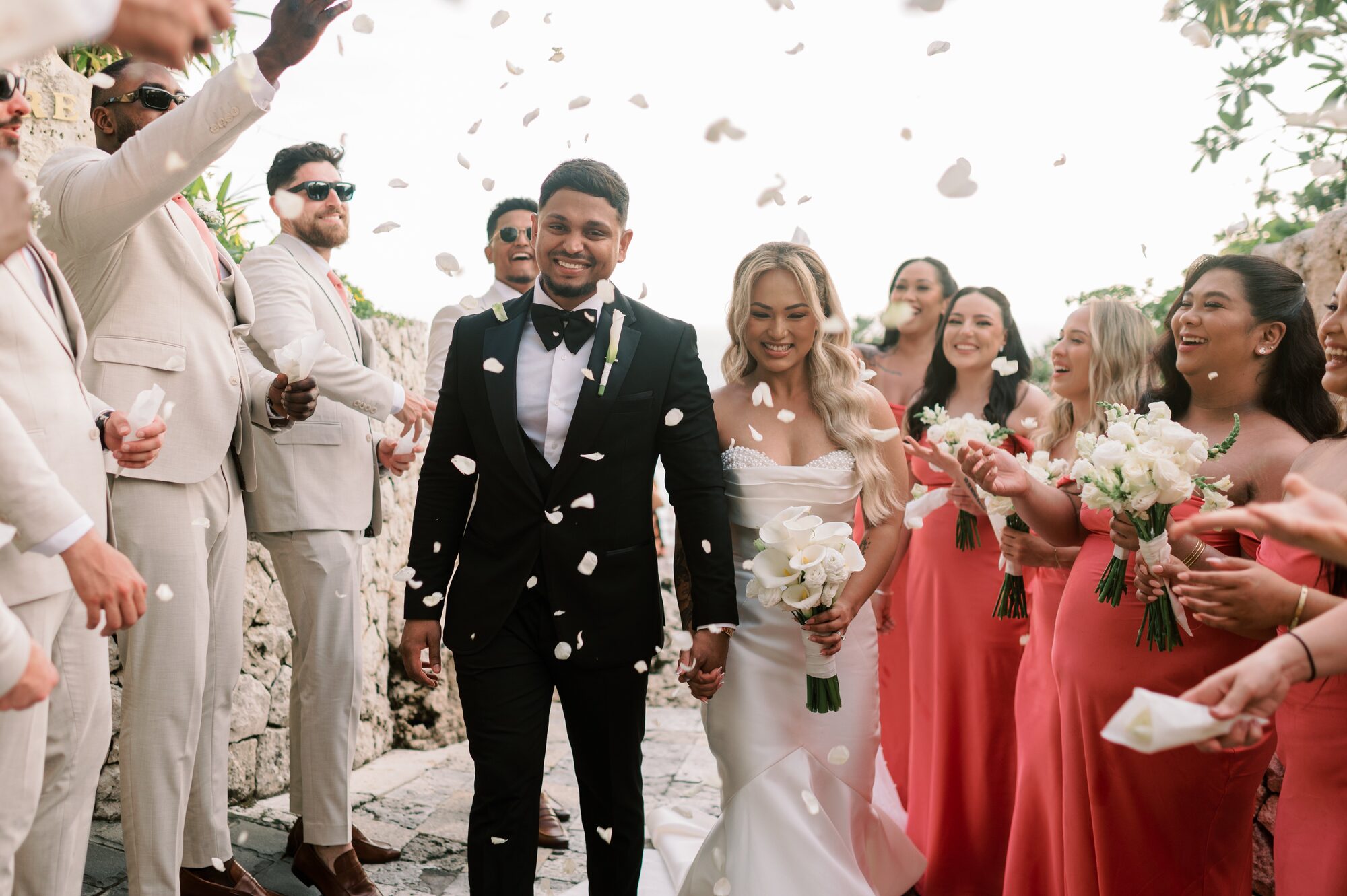
📊 Comparison at a Glance (2026)
| Feature | Legal Marriage | Symbolic Blessing |
|---|---|---|
| Official Status | Globally recognized (after legalization) | Personal / sentimental |
| Religion | Mandatory (must match) | None / flexible |
| Admin Cost | $1,000 – $2,500+ | $0 (included in celebrant fee) |
| Document Prep | 4–6 months | None for Bali |
| Consulate Trip | Mandatory in Bali/Jakarta | Not required |
| Ceremony Language | Often Indonesian/English mix | Any language of your choice |
🌺 A Third Way: Adding a Balinese Blessing
Whichever route you choose, many couples weave in a traditional Balinese blessing ceremony — a beautiful cultural layer that sits entirely outside the legal question. Led by a local priest (pemangku), a blessing typically includes a purification ritual with holy water, offerings of flowers and incense, and prayers for the couple's harmony and prosperity. It can open your symbolic ceremony, stand alone as an intimate ritual the day before the wedding, or take place at a water temple as part of a couples' melukat cleansing experience.
A few things to know before adding one:
- It is not a legal or religious conversion — it's a blessing, open to couples of any faith or none, and it carries no paperwork whatsoever.
- Dress respectfully: you'll be provided with a traditional sash and sarong, and shoulders are covered during the ritual itself.
- Budget $250–$600 including the priest, offerings, and ceremonial attire — one of the most memorable line items on any Bali wedding invoice.
- Photography is welcome, but ask your planner to brief the photographer on temple etiquette so the ritual is documented without intruding on it.
For couples who feel a symbolic ceremony alone might lack "weight," the blessing is often the answer — it grounds the day in the island's living culture rather than in government paperwork. In our experience it is also the moment guests talk about longest afterwards: the scent of incense, the gamelan, and the sense of being welcomed into something far older than the wedding industry.
❓ Quick FAQ: Bali Marriage Legalities
Will a legal Bali marriage be recognized in my home country? Generally yes, once the Indonesian certificate is apostilled and (where required) registered at home. Requirements differ by country — always confirm with your own civil authority before committing to the legal route.
Can same-sex couples marry in Bali? Indonesia does not recognize same-sex marriage. Same-sex couples can absolutely hold a symbolic celebration in Bali, and complete the legal marriage in a country where it is recognized.
Do we need a special visa to get married in Bali? For a symbolic ceremony, a standard tourist visa or visa-on-arrival is fine. For a legal marriage, most couples also complete the process on a tourist visa, but confirm current rules with your consulate when arranging the CNI.
How does this compare to Europe? Portugal, for instance, allows genuine civil (non-religious) marriages for foreigners with far less paperwork — see our guide to civil vs. symbolic weddings in Portugal if you're comparing destinations.
💡 Final Verdict: Which Is for You?
If you value the authenticity of a single anniversary date and certificate, don't mind 4–6 months of document preparation, and are comfortable with the same-religion requirement, go legal.
If you want stress-free luxury, a fully personalized script, and more time at the beach club, go symbolic. Most of our 2026 couples choose this route and find it lets them actually enjoy the planning phase — all celebration, no red tape.
Once you've picked your path, the fun part begins: choosing where to say "I do." Start with our tour of the top 10 stunning Bali wedding venues for 2026, and get realistic numbers from our Bali wedding cost breakdown.
Still unsure which route fits your situation?
Talk to the EverVows team — we'll map your nationality, timeline, and ceremony vision to the simplest possible path.
Planning a wedding abroad?
Tell us who is coming, roughly when, and what the day should feel like. We'll come back with what fits your guest list — and, just as clearly, what doesn't.