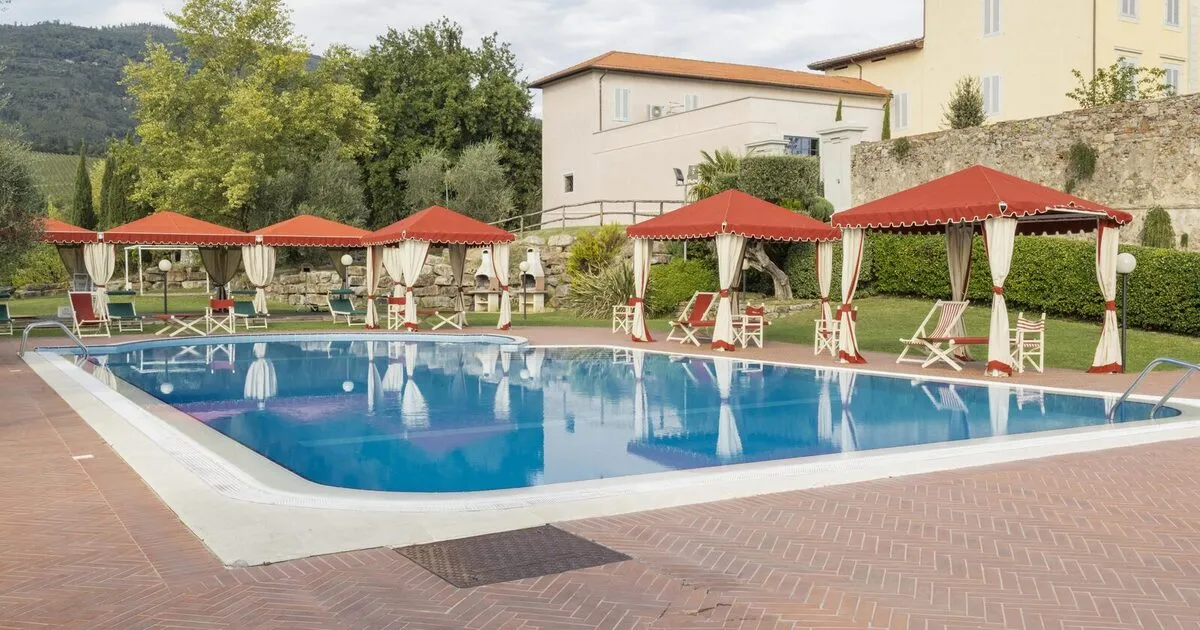
Italian Villa Weddings: Buyouts, Minimum Nights and Music Curfews
An Italian villa wedding is usually sold as a whole-property rental, not a per-head package. You book the estate exclusively for a minimum stay, often three nights, and your closest guests sleep on site. The wedding itself is a separate set of costs: catering, often a wedding or facilities fee, and a music curfew outdoors, commonly somewhere between 11pm and 1am, after which the party moves inside or ends.
For couples used to a hotel ballroom priced per guest, this changes the maths and the guest list. This guide explains how the model works and what to ask before you fall for the photos.
Francesca Papa founded Faire Plume Weddings in 2024, after ten years at a castle in southern Tuscany running weddings and events for guests from abroad. She has planned destination weddings since 2020, works in English, and plans across Tuscany, Umbria, Rome and Lazio, the Marche and the Amalfi Coast. The venue terms below are taken from published venue listings, as examples of how the market works. They are not a list of Francesca's suppliers, and terms change every season.
Last checked: 24 November 2026.
How exclusive use works
Most Italian wedding villas rent the entire property to one group at a time. That is the point: for three days it is your house, your garden and your pool. Published listings show the pattern clearly:
- Villa Mangiacane lists exclusive rental of the entire estate with a minimum stay of three nights.
- Villa La Foce can only be rented as a whole, for a minimum stay of three nights, and sleeps 19 guests.
- Villa Rosselmini lists full exclusive use with a three-night minimum, with accommodation for 57 guests.
Notice the bed counts. They are the number that decides everything else.
Minimum nights, and who pays for the rooms
Because the villa is rented by the night, the rooms are a fixed cost, whether they are full or not. Couples handle that in one of three ways:
- You cover it. The rooms are part of the wedding budget, and your closest family and friends stay as your guests.
- Guests contribute. Guests pay for their room, collected by you or the planner. Agree this early and say it clearly on the invitation.
- A mix. You cover the wedding night, guests pay for the others.
Some estates also rent cottages or farmhouses nearby for the overflow. Villa Monaciano, for example, lists separate farmhouses within walking distance of the main villa, each with its own three-night price.

Music curfews and the move inside
This is the rule that surprises couples most. Outdoor amplified music in rural Italy is limited, by local rules and by the venue, and the limits are published:
| Venue (as listed) | Outdoor music | Indoors |
|---|---|---|
| Villa Reale di Marlia | Until 11pm | Not stated |
| Villa Monaciano | Until midnight | Until 2am |
| Villa Rosselmini | Until 1am | Not stated |
| Villa La Foce | None outdoors | Indoors only |
Villa Mangiacane notes that music and fireworks in open areas must be authorised by the municipal authority. So the real question is not only "what time does the music stop?" but "where does the party go next, and does that room fit everyone?"
Caterers and suppliers: in-house or your own
Villas differ a lot here. Some insist on their own catering and drinks. Others let you bring in any caterer, and a few have no caterer at all. Villa Reale di Marlia lists that you must use the venue's alcohol and that a wedding planner is required. Villa La Foce lets clients choose their own caterer.
The answer changes your budget and your menu. An in-house kitchen is simpler, a free choice of caterer gives you more control, and both have a price.

The weather plan B
Every outdoor villa wedding needs a covered option for the ceremony and the dinner. That can be a loggia, a lemon house, a ballroom or a marquee. A marquee is often an extra cost, so ask whether the villa has a covered space that seats your full guest list, not just part of it.
The fees beyond the rent
A villa quote often has several lines. Listings show wedding fees, facilities fees and technical supervisor fees on top of the nightly rent, plus VAT and the local tourist tax. Ask for every fee in writing before you compare two villas, or you will be comparing different things.
Questions to ask before you book a villa
- How many guests can sleep on site, and how many can be seated for dinner?
- What is the minimum stay, and which nights does it include?
- What time does outdoor music end, and where does the party move after that?
- Must we use your caterer and drinks, or can we bring our own?
- What is the covered plan if it rains, and does it seat everyone?
- Which fees apply on top of the rent: wedding fee, facilities, staff, VAT, tourist tax?
- Is the villa approved by the comune for civil weddings, if we want a legal ceremony? Our guide to getting legally married in Italy explains why this matters.

Questions couples ask
How does an Italian villa wedding work?
Most Italian wedding villas rent the whole property to one group, for a minimum stay that is often three nights. Your closest guests sleep on site. Catering, drinks, music and any wedding or facilities fee are usually separate, and outdoor music has a curfew set by the venue and local rules.
What is the minimum stay for a villa wedding in Italy?
Often three nights. Published listings for Villa Mangiacane, Villa La Foce and Villa Rosselmini all show a three-night minimum for exclusive use. Some venues ask for more, and terms change each season, so confirm the minimum and which nights it covers before you book.
What time does music have to stop at Italian wedding venues?
It varies by venue and comune, commonly between 11pm and 1am outdoors. Villa Reale di Marlia lists 11pm, Villa Monaciano midnight outdoors and 2am indoors, and Villa Rosselmini 1am. Some villas allow music indoors only. Ask where the party moves when the outdoor music stops.
Can you bring your own caterer to an Italian villa?
Sometimes. Some villas require their own catering and drinks, others let you choose any caterer, and a few have no in-house kitchen at all. Villa La Foce, for example, lets clients choose their caterer. Ask before you book, because the answer changes both your budget and your menu.
Who pays for the rooms at a villa wedding?
It is up to you. Some couples cover the rooms as part of the wedding budget, some ask guests to pay for their own, and some cover the wedding night and ask guests to pay for the rest. Agree it early and say so clearly on the invitation.
Plan the day with Francesca
If Italy is the country, send Francesca your brief. Not sure Italy is the one? Take the Vibe Quiz.
You may also want the guides to Tuscany vs the Amalfi Coast and to getting married in Umbria.
Related Articles
Tuscany vs the Amalfi Coast: Choosing Your Wedding Region
Tuscany or the Amalfi Coast for your wedding? Decide by your guest list, not the photos: where everyone sleeps, how they move, and your least mobile guest.
Eloping or a Small Wedding in South Africa
How to elope in South Africa: the legal steps for two foreigners, why you need two witnesses, and small venues from Table Mountain to the Garden Route.